
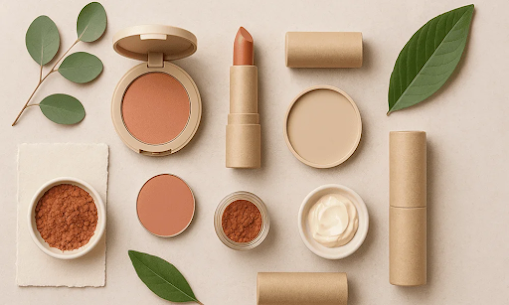
Creating beauty products that look good while limiting environmental impact has become a priority for modern brands. Shoppers today expect more than great shades and smooth textures—they want options that support cleaner production, safer ingredients, and lower waste. This shift has pushed manufacturers and brands to rethink how color cosmetics are made, packaged, and delivered.
“Sustainable color cosmetics” is no longer just a trend. It’s a business direction supported by data, regulation, and consumer behavior. According to a 2024 NielsenIQ report, 68% of beauty buyers prefer brands with responsible ingredient and packaging choices, and nearly half actively search for greener alternatives. For companies aiming to build long-term trust, sustainability has become part of product performance.
This article takes a practical, business-friendly look at how brands can integrate greener choices in both formulation and packaging—while still keeping product quality, shade payoff, and shelf stability strong.
Why Sustainable Color Cosmetics Matter for Today’s Beauty Market
Beauty shoppers have developed a sharper eye for what goes into their products. They want clear ingredient lists, cleaner formulations, and sourcing that avoids unnecessary harm. Interest in cruelty-free manufacturing and low-waste options has also grown sharply.
For brands, the shift brings clear benefits:
- Stronger market positioning
- Better alignment with upcoming regulatory changes
- Higher credibility among younger consumers
- Improved long-term brand loyalty
Companies working with a trusted color cosmetics manufacturer can plan more sustainable product pipelines from the start, allowing greener choices without compromising performance.
1. What Makes Color Cosmetics “Sustainable”?
Sustainability in beauty isn’t a single feature—it’s a combination of decisions made across the entire production cycle. This includes how raw materials are sourced, how formulas are built, how waste is handled, and what packaging is chosen.
Key elements include:
Cleaner ingredient profiles
Formulas built with safer, low-impact materials align with consumer expectations for clean formulations. These ingredients avoid harsh additives, reducing exposure concerns while improving product safety.
Low-waste production
Processes that use fewer resources—water, energy, raw materials—are becoming common as manufacturers improve efficiency.
Greener packaging choices
Replacing single-use plastics, using recycled materials, or choosing refill options can dramatically reduce packaging waste. A good example is the practices discussed in sustainable cosmetic packaging.
2. The Rise of Clean Formulations in Color Cosmetics
Clean formulations are now a core part of sustainable beauty. These formulas aim to reduce unnecessary chemicals while still offering great texture, staying power, and pigment payoff.
What brands are focusing on:
- Lower solvent use
- More plant-based emulsifiers
- Safer preservatives with strong stability profiles
- Improved skin-friendly alternatives to traditional synthetic ingredients
A major area of innovation involves biodegradable pigments. Unlike older synthetic pigments that can remain in the environment for long periods, new biodegradable options break down more easily while still giving brands bold color choices.
Some commonly used biodegradable pigment sources include:
| Pigment Type | Source | Benefit |
| Mineral-based pigments | Iron oxides, mica | Stable and safe for sensitive skin |
| Plant-derived pigments | Beetroot, turmeric | Renewable and biodegradable |
| Fermentation pigments | Lab-grown colors | Consistent and sustainable |
Using biodegradable options doesn’t mean sacrificing quality—many offer high color payoff with improved environmental performance.
3. Why Cruelty-Free Manufacturing Is Now Standard
Cruelty-free manufacturing isn’t simply a marketing statement; it’s an expectation. Many regions—including the EU—have placed strong restrictions on animal testing, pushing brands to adopt ethical testing alternatives.
Methods such as in-vitro testing, computer modeling, and long-term ingredient safety data allow companies to maintain product safety without traditional testing practices.
For brands working with eco-friendly cosmetic manufacturing tips, these approaches help reduce risk and shorten development time while supporting ethical supply chains.
4. Eco-Friendly Packaging for Modern Color Cosmetics
Packaging has become one of the biggest contributors to waste in the beauty industry. Between mirrors, pumps, applicators, and secondary packaging, color products often come with multiple components. Switching to eco-friendly packaging helps reduce plastic footprint, simplifies disposal, and supports a cleaner supply chain.
Fast-growing packaging choices:
- Recyclable aluminum pans for eyeshadows and blushes
- Compostable lipstick or balm tubes made from paperboard
- PCR (post-consumer recycled) plastic containers
- Refillable palettes that allow users to replace just one shade
- Minimalist secondary boxes without extra coatings
Some brands have reported up to 40% reduction in packaging-related emissions simply by switching to lighter materials and smaller component designs.
Packaging strategy is one of the most visible ways brands can express their environmental values, and it plays a strong role in customer perception.
5. How Responsible Beauty Brands Build Sustainable Product Lines
Responsible beauty brands look at sustainability as a long-term investment, not a one-time adjustment. They collaborate with manufacturers early in product development to ensure choices made during the R&D phase align with eco-friendly goals.
They focus on:
- Ingredient traceability
- Local or minimally processed raw materials
- Water-efficient manufacturing methods
- Refillable or reduced-plastic packaging
- Ethical supplier partnerships
A structured sustainability plan also improves brand resilience, helping companies adapt quickly as new regulations emerge.
The role of private label skin care manufacturers becomes important here, as they often provide turnkey support for brands exploring greener formulations alongside color ranges.
6. Practical Tips for Creating Your Own Sustainable Color Cosmetics Range
Here are some actionable steps for brands looking to start or upgrade their sustainable product line:
Choose Ingredient Sources Carefully
Look for suppliers who provide transparent documentation, safety testing, and certifications. Biodegradable pigments and plant-based binders can help lower environmental impact.
Avoid Over-Packaging
Test products in lightweight options to reduce emissions during shipping. Refillable formats work especially well for foundations, compacts, and lipsticks.
Work With a Reliable Manufacturing Partner
A knowledgeable color cosmetics manufacturer (mentioned earlier) can guide you in selecting raw materials, improving production efficiency, and ensuring compliance with regulatory requirements.
Educate Consumers
Simple instructions about recycling or refilling can help reduce disposal-related waste.
7. Industry Stats That Highlight the Shift Toward Sustainable Color Cosmetics
Here are some data points that reflect current market momentum:
- Global demand for sustainable makeup is expected to grow at over 7% annually through 2030.
- 37% of Gen Z shoppers prefer compostable or refillable packaging over standard plastic options.
- Brands offering cleaner formulations report up to 22% higher repeat purchase rates.
- Cruelty-free certified brands have grown more than 3x faster than non-certified brands in the last five years.
These numbers reflect the real impact of sustainable product development on customer loyalty and long-term brand strength.
Conclusion
Sustainable color cosmetics are becoming a benchmark for responsible beauty. Businesses that adopt clean formulations, biodegradable pigments, eco-friendly packaging, and cruelty-free manufacturing practices are better positioned to appeal to modern consumers and meet future regulatory expectations.
With the right manufacturing partner and thoughtful ingredient and packaging strategies, brands can create products that meet performance standards while supporting environmental goals. Sustainability doesn’t replace innovation—it enhances it.
If your brand aims to build a future-ready, trusted product line, now is the right time to integrate greener practices into every stage of cosmetic development.