
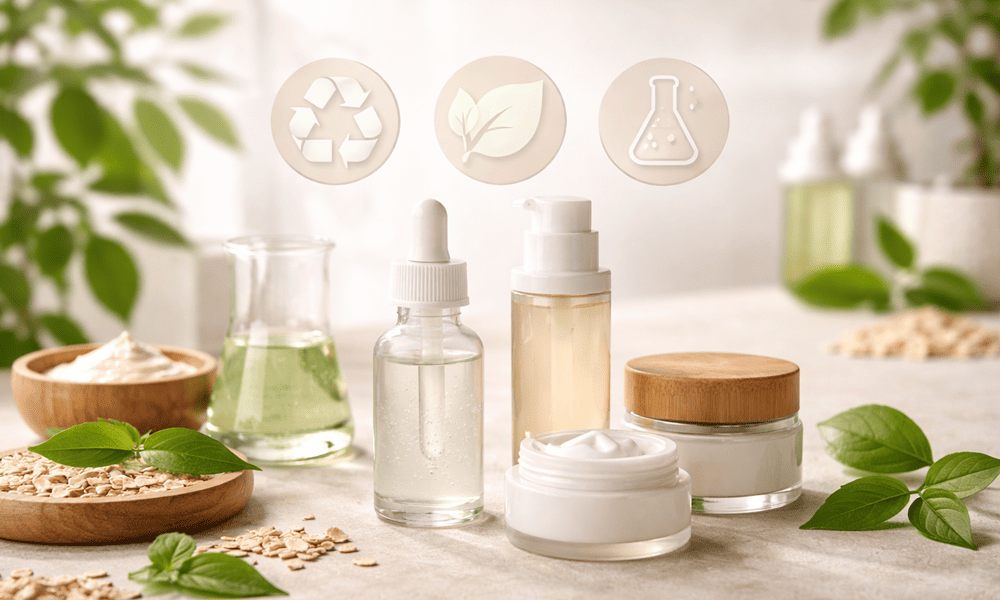
The beauty industry is changing fast. Consumers no longer buy products just because they look good or promise quick results. They want transparency, responsible sourcing, and brands that reflect their values. For founders and retailers, knowing how to source beauty products sustainably is no longer optional—it is a business requirement.
Whether you are building a new label or scaling an existing one, sourcing decisions affect your costs, compliance, brand image, and long-term growth. This guide explains how to source beauty products responsibly while meeting modern expectations around quality, ethics, and sustainability.
Why Sustainable Sourcing Matters in Beauty
Sustainable sourcing is about more than ingredients. It includes how products are made, packaged, transported, and marketed. According to Nielsen, nearly 73% of global consumers say they would change buying habits to reduce environmental impact, with beauty ranking among the top categories affected.
Brands that focus on sustainable beauty products often gain stronger customer trust and higher repeat purchase rates. Responsible sourcing also reduces regulatory risks and supply chain disruptions.
Step 1: Define What “Sustainable” Means for Your Brand
Before you source beauty products, define what sustainability means in your context. Not every brand follows the same standards, but clarity is essential.
Some brands prioritize:
- Plant-based ingredients
- Ethical labor practices
- Reduced plastic use
- Carbon-conscious logistics
Your definition will guide supplier selection and messaging, especially if you plan to market ethical cosmetic products.
Step 2: Understand Ingredient Transparency
Ingredient sourcing is one of the first areas customers scrutinize. Brands offering natural beauty products must ensure that raw materials are traceable, responsibly harvested, and compliant with safety regulations.
Suppliers should provide:
- Certificates of analysis
- Safety data sheets
- Origin documentation
Transparent ingredient sourcing supports trust and reduces reformulation issues later.
Step 3: Choose the Right Manufacturing Partner
Your manufacturer has a direct impact on sustainability outcomes. Working with a trusted cosmetics manufacturer helps ensure that environmental and ethical standards are followed throughout production.
Ask manufacturers about:
- Energy usage in production
- Waste management systems
- Water consumption controls
A strong manufacturing partner can also support cleaner processes without compromising product quality.
Step 4: Evaluate Clean Formulation Standards
Consumers often confuse “clean” with “natural,” but the two are not always the same. Clean beauty formulations focus on ingredient safety, stability, and regulatory approval rather than origin alone.
Brands sourcing clean products should avoid unsupported claims and ensure formulations meet legal definitions in target markets. Reliable partners offering clean beauty manufacturing can help align formulas with both safety and marketing requirements.
Step 5: Packaging Plays a Bigger Role Than You Think
Packaging is often the most visible sustainability signal for customers. Eco-conscious buyers actively look for recyclable, refillable, or low-waste packaging solutions.
Using sustainable cosmetic packaging can reduce your environmental footprint while strengthening shelf appeal. Options include:
- Glass containers
- PCR plastic
- Mono-material pumps
Packaging should protect product integrity while matching your sustainability goals.
Step 6: Assess Supplier Ethics and Labor Practices
Ethical sourcing goes beyond materials. Labor conditions, fair wages, and supplier accountability matter just as much.
When sourcing ethical cosmetic products, request audits or compliance statements from vendors. Ethical sourcing reduces reputational risk and supports long-term partnerships.
Step 7: Consider Product Category-Specific Needs
Different beauty categories have unique sourcing challenges. Skincare, makeup, and eye products require different safety and formulation controls.
Brands sourcing sensitive formulas such as fragrance free skincare production should prioritize hypoallergenic testing and minimal ingredient lists to reduce irritation risks.
Step 8: Work With Specialized Manufacturers When Needed
Specialized products benefit from experienced manufacturers who understand category-specific compliance and testing.
For example, brands developing mascaras or eyeliners should partner with an eye product manufacturer that follows strict microbial and safety standards due to the sensitive application area.
Step 9: Balance Cost With Responsibility
Sustainable sourcing does not always mean higher costs, but it does require smarter planning. Bulk sourcing, long-term supplier agreements, and efficient logistics can help control expenses.
Brands offering eco-friendly beauty brands positioning often find that customers are willing to pay slightly more when sustainability claims are clear and verifiable.
Step 10: Scaling Sustainably Without Compromising Values
Growth can put pressure on sourcing systems. As order volumes increase, brands must ensure sustainability standards remain consistent.
Working with a reliable skincare product manufacturer helps maintain formulation quality, batch consistency, and compliance as production scales.
Step 11: Integrate Sustainability Into Product Expansion
As your brand grows, sustainability should extend across new launches. Whether you expand into makeup or hybrid skincare, sourcing principles should remain consistent.
Brands expanding into pigments and makeup can explore sustainable color cosmetics to maintain alignment with eco-conscious values.
Step 12: Align Packaging With Brand Messaging
Your packaging should clearly communicate sustainability without exaggeration. Misleading claims can damage trust and lead to regulatory scrutiny.
Using sustainable beauty packaging helps visually reinforce your commitment while supporting waste reduction goals.
Common Mistakes to Avoid When Sourcing Beauty Products
Many beauty businesses struggle due to avoidable errors:
- Choosing suppliers based on price alone
- Making unsupported sustainability claims
- Ignoring documentation and testing
- Scaling too quickly without supply checks
Careful planning reduces these risks and supports steady growth.
Final Thoughts
Learning how to source beauty products sustainably takes time, research, and the right partnerships. Brands that invest in ethical sourcing, responsible manufacturing, and transparent communication build stronger customer relationships and future-proof their businesses.
Sustainability is no longer a trend—it is a standard. By sourcing thoughtfully, beauty businesses can meet consumer expectations while creating products they are proud to stand behind.