
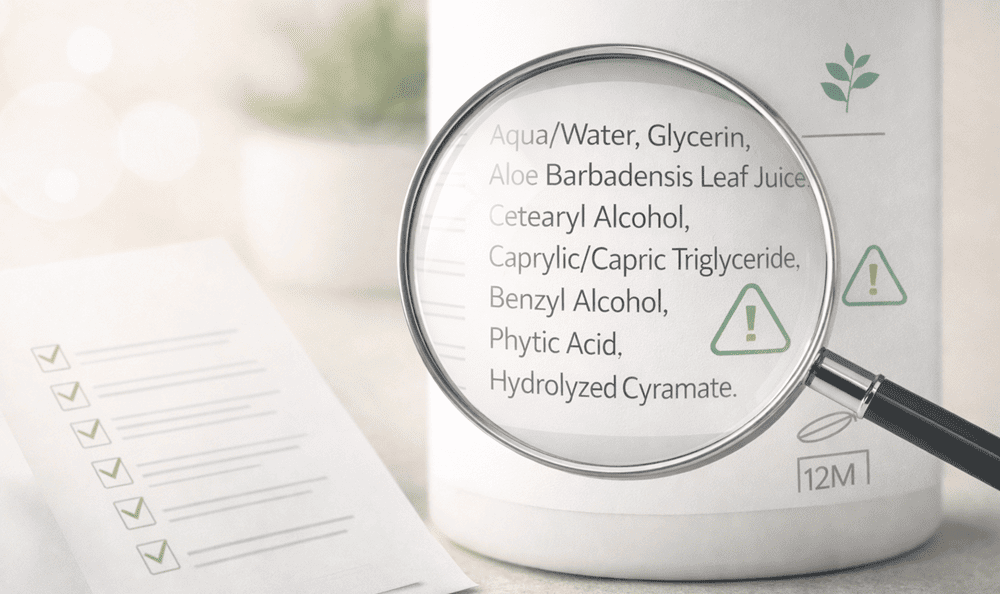
Today’s beauty buyers are more informed than ever. They don’t just look at packaging or claims—they read cosmetic labels closely before making a purchase. For beauty business owners, understanding how labels work is no longer optional. It directly impacts product safety, consumer trust, and brand credibility.
Whether you are launching a new skincare line or expanding an existing range, knowing how cosmetic labels communicate safety, ingredients, and shelf life helps you make better product decisions and reduce regulatory risk.
Why Cosmetic Labels Matter More Than Ever
Cosmetic labels serve two purposes at once. They inform consumers about what they are putting on their skin, and they demonstrate that a brand follows regulatory standards. Poor labeling can lead to confusion, misuse, or even allergic reactions.
In fact, industry reports show that labeling-related issues account for a large percentage of cosmetic recalls worldwide. Brands that invest time in label accuracy reduce compliance risks and strengthen transparency from the start.
Understanding the Basics of Label Decoding
Label decoding starts with knowing how information is organized. Cosmetic labels are not random lists; they follow regulated structures designed to ensure clarity and safety.
Most labels include product identity, net quantity, ingredient list, usage instructions, warnings, and manufacturer details. When brands work with a private label cosmetics manufacturer, much of this structure is handled professionally, but business owners should still understand what each section communicates.
Ingredient Order: What It Really Tells You
One of the most important aspects of reading labels is ingredient order. Ingredients are listed by weight, from highest to lowest concentration, until the one percent line is reached.
This matters because the first five ingredients often make up the bulk of the formula. If a hero ingredient appears near the end of the list, its actual presence may be minimal. Understanding ingredient order helps brands evaluate formulation honesty and avoid misleading claims.
Identifying Allergens and Sensitizers
Allergens are a key safety concern for consumers with sensitive skin. Common allergens include certain fragrances, essential oils, preservatives, and colorants. While not all allergens are harmful to everyone, transparency allows consumers to make informed choices.
Brands operating under cosmetics regulatory requirements must disclose ingredients clearly so users can identify potential triggers. Failing to list known allergens properly can lead to complaints, returns, or regulatory scrutiny.
Preservative Types and Why They Matter
Preservatives protect products from microbial growth, especially those containing water. Without proper preservation, cosmetics can become unsafe during normal use.
Different preservative types serve different functions. Some are broad-spectrum, while others target specific microorganisms. Educating consumers about preservatives builds trust, especially when brands explain why certain ingredients are used instead of avoiding the topic altogether.
Expiry Dates, PAO, and Shelf Life Explained
Cosmetic products do not last forever. Labels typically show either an expiration date or a Period After Opening (PAO) symbol. This tells consumers how long the product remains safe once opened.
Understanding expiry labeling is essential for brands offering products tied to beauty product certifications, as these often require stability testing and documented shelf life. Clear dating protects both the consumer and the brand.
Claims, Transparency, and Consumer Trust
Modern consumers expect honesty. Words like “natural,” “clean,” or “safe” are closely examined, especially online. If a claim cannot be supported by the ingredient list or testing data, it can damage credibility.
Transparency does not mean sharing trade secrets. It means aligning marketing language with what is actually inside the product. This approach is especially important for brands focused on clean beauty manufacturing, where ingredient clarity plays a major role in purchasing decisions.
Regulatory Symbols and What They Signal
Many cosmetic labels include symbols indicating compliance, recycling instructions, or usage warnings. While these symbols are small, they communicate important safety and environmental information.
For beauty business owners, understanding these symbols helps when planning packaging layouts and ensures nothing required is missing. Clear labeling also reduces customer service questions after launch.
How Label Knowledge Helps You Choose Better Partners
Knowing how to read cosmetic labels also helps brands evaluate manufacturing partners. Reviewing sample labels reveals how well a manufacturer understands safety, compliance, and consumer communication.
When brands choose a cosmetic manufacturer, label accuracy is often a strong indicator of overall quality standards. A well-prepared label usually reflects well-managed formulation, testing, and documentation processes.
The Role of Sustainability in Labeling
Sustainability now influences labeling decisions. Consumers want to know if packaging is recyclable, refillable, or responsibly sourced. Labels often serve as the first place where this information appears.
Brands involved in eco-friendly cosmetics manufacturing can use labels to highlight responsible practices without overstating claims. Clear, factual sustainability statements help build long-term trust.
Practical Consumer Tips Brands Should Know
Educating consumers improves product usage and satisfaction. Many brands now include short guides on their websites or packaging inserts to help customers read labels correctly.
Helpful tips include:
- Checking ingredient order for key actives
- Looking for allergens if skin is sensitive
- Understanding PAO symbols before extended use
These efforts support safety while reinforcing brand transparency.
Industry Insight: Why Label Literacy Is Growing
According to consumer research, more than 60% of beauty buyers read ingredient lists before purchasing skincare products. This shift reflects growing awareness around safety, allergens, and long-term skin health.
Brands that help consumers read cosmetic labels effectively are more likely to earn repeat purchases and positive reviews, especially in crowded skincare categories.
Final Thoughts
Learning how to read cosmetic labels is no longer limited to regulators or chemists. It has become an essential skill for beauty business owners who want to build safe, compliant, and trusted products.
From ingredient order and preservatives to expiry dates and transparency, labels tell the full story of a product. Brands that respect this communication tool not only meet safety expectations but also stand out in a market where trust matters more than ever.