
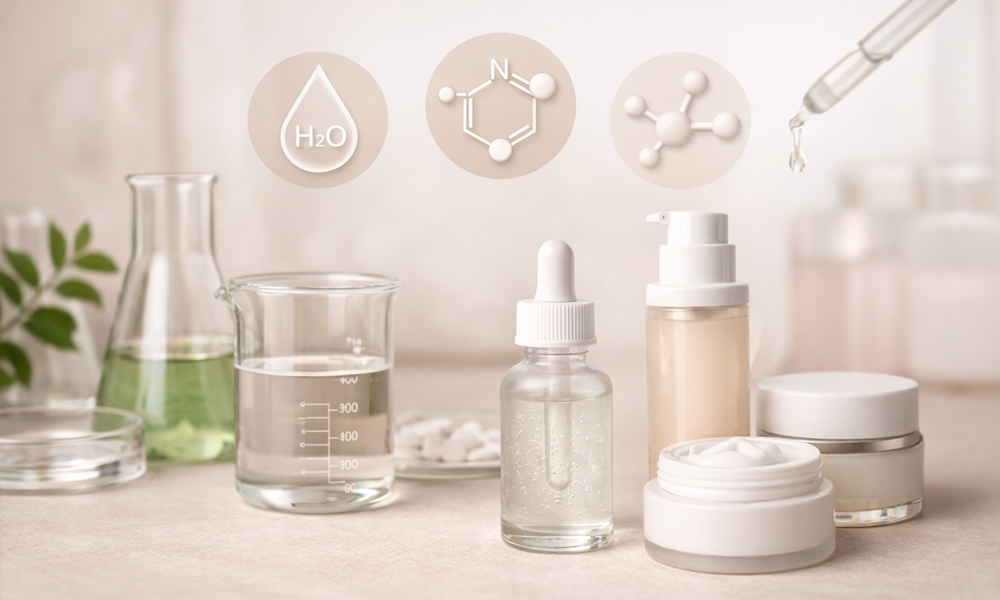
Building a beauty brand is no longer limited to large corporations. Independent founders, salons, influencers, and retailers are now successfully entering the market by starting face care line concepts that reflect clear values and targeted results. With the global skincare market projected to cross USD 200 billion by 2030, face care remains one of the most profitable segments for new beauty businesses.
However, success does not come from good packaging alone. A strong face care line requires planning, compliance, formulation knowledge, and the right manufacturing partner. This guide walks you through every step involved in starting face care line, from idea validation to launch, while avoiding costly mistakes that often slow down new brands.
Understanding What Makes a Face Care Line Successful
Before launching a face care brand, it is important to understand what customers actually look for. Modern consumers are ingredient-aware, compliance-conscious, and highly selective. According to Statista, more than 60% of skincare buyers read labels before purchasing, and over 45% actively seek clean or ethical formulations.
A successful face care line is built on three foundations:
- Clear skin concern focus
- Safe, compliant formulations
- Consistent brand positioning
This clarity helps guide product selection, pricing, and marketing decisions early on.
Step 1: Define Your Brand Purpose and Target Customer
Every strong brand begins with a focused purpose. When starting face care line, avoid trying to serve everyone. Instead, identify one primary audience and skin concern.
Ask yourself:
- Is this brand targeting acne-prone, aging, sensitive, or dry skin?
- Will your products be positioned as dermatologist-inspired, clean beauty, or luxury?
- Are you selling DTC, through salons, or retail stores?
Your answers will guide formulation choices, packaging decisions, and compliance planning. Many founders fail because they skip this stage and rush into production.
Step 2: Research Market Demand and Competitors
Market research reduces risk when planning a face care business startup. Study both global and regional competitors to understand pricing, ingredient trends, and gaps in the market.
Look at:
- Best-selling face serums and moisturizers
- Common ingredient claims (niacinamide, ceramides, peptides)
- Customer complaints in product reviews
This research helps you design products that solve real problems rather than repeating what already exists.
Step 3: Choose the Right Product Range
When starting face care line, it is better to launch with fewer, well-designed products instead of a large catalog. Most successful brands start with 3–5 core SKUs.
Common starter products include:
- Cleanser
- Toner or essence
- Serum
- Moisturizer
- Sunscreen (optional, based on compliance)
Each product should fit your brand promise and work together as a routine, not as standalone items.
Step 4: Understand Face Care Product Formulation Options
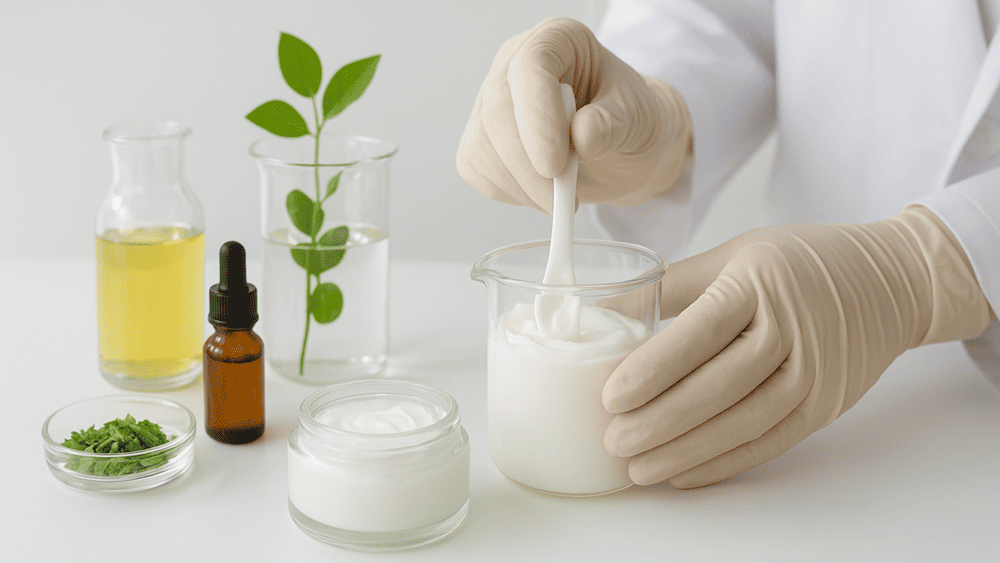
Product quality depends heavily on face care product formulation. You can choose between custom formulations or ready-made bases, depending on your budget and timeline.
Formulation decisions affect:
- Texture and absorption
- Ingredient stability
- Shelf life
- Regulatory approval
Working with a face care product manufacturer allows you to select actives that meet performance goals while staying compliant with market regulations.
Step 5: Private Label vs Custom Development
Many founders debate between private label and custom formulas when how to start a skincare line planning begins. Both options have benefits.
| Option | Best For | Timeline | Cost |
| Private Label | Faster launch | 6–10 weeks | Lower |
| Custom Formula | Unique brand identity | 12–20 weeks | Higher |
Brands using private label face care products often test the market first, then move to custom formulations once sales stabilize.
Step 6: Regulatory Compliance Is Not Optional
Compliance is one of the most overlooked steps when starting face care line, yet it is critical for long-term success. Each market has specific safety and labeling laws.
For brands entering North America, understanding regulatory requirements for cosmetics in Canada is essential. This includes:
- Ingredient restrictions
- Cosmetic Notification Forms (CNF)
- Proper INCI labeling
- Claims compliance
Failure to meet these requirements can result in rejected shipments or product recalls.
Step 7: Select a Manufacturing Partner Carefully
Your manufacturer plays a major role in product quality, scalability, and brand reputation. When evaluating cosmetic manufacturing for face care, look beyond pricing.
A reliable partner should offer:
- In-house R&D support
- Batch consistency
- Low MOQ flexibility
- Documentation and compliance assistance
Many growing brands prefer contract manufacturing cosmetics because it allows them to scale production without investing in infrastructure.
Step 8: Packaging That Supports Your Brand Story
Packaging influences purchasing decisions more than most founders expect. Your packaging should protect the formula, align with brand positioning, and meet sustainability expectations.
Trends show growing demand for sustainable beauty packaging, including recyclable pumps, glass bottles, and refill options. Sustainable choices also strengthen brand trust and appeal to eco-aware buyers.
Step 9: Pricing and Cost Planning
Pricing errors can damage profitability early. When planning your face care business startup, consider all cost elements:
- Manufacturing
- Packaging
- Testing
- Logistics
- Marketing
A common pricing strategy is keystone pricing (2x–2.5x production cost), but premium brands may follow value-based pricing depending on ingredients and claims.
Step 10: Marketing Your Face Care Line Before Launch
Marketing should begin months before launch, not after. Build interest by sharing:
- Ingredient education
- Behind-the-scenes development
- Before-and-after testing
Brands working with custom beauty product development teams often use formulation stories to build trust and transparency with their audience.
Step 11: Decide on Ethical and Clean Beauty Claims
Clean, cruelty-free, and vegan claims influence buying behavior, but they must be accurate. If your brand includes vegan color cosmetics alongside face care, ensure ingredient sourcing and documentation support these claims.
False claims can lead to regulatory issues and loss of consumer trust.
Step 12: Plan for Scale and Line Expansion
Once your initial products perform well, expansion becomes easier. Successful founders plan future categories during the starting face care line phase itself.
Expansion options include:
- Targeted serums
- Seasonal skincare
- Professional-use products
Working with a private lable cosmetic manufacturer can simplify repeat launches and ensure consistency as your catalog grows.
Common Mistakes to Avoid
Many new brands fail due to preventable errors:
- Launching too many SKUs
- Ignoring compliance timelines
- Choosing manufacturers based on price alone
- Overpromising product claims
Avoiding these mistakes improves long-term sustainability and brand credibility.
Final Thoughts
Creating a face care brand requires patience, research, and the right partnerships. Starting face care line success depends on understanding your customer, investing in safe formulations, and working with experienced manufacturers who support growth.
With proper planning, even small brands can compete in a crowded market and build loyal customer bases that drive repeat sales.